
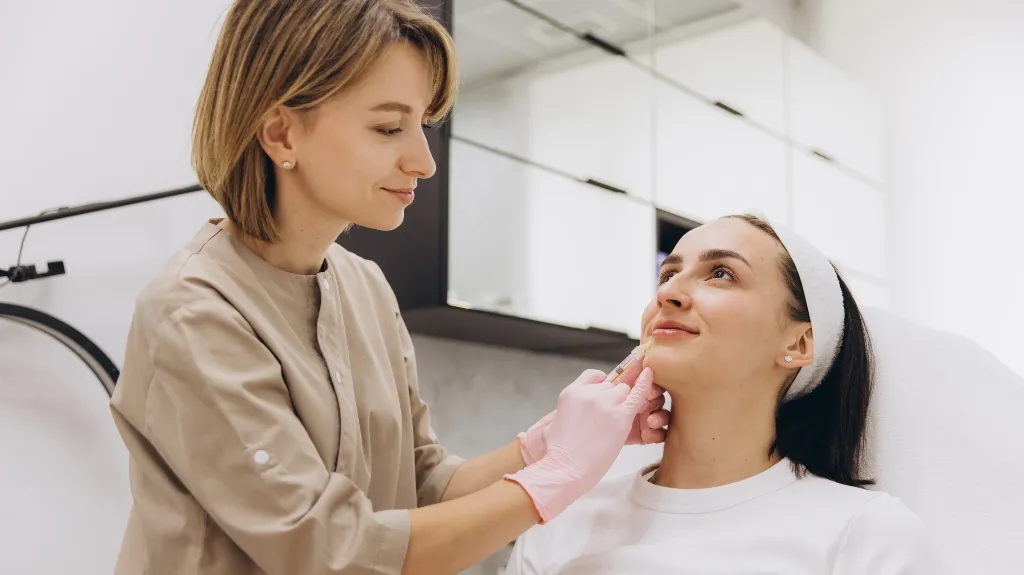
So you’ve been thinking about trying an aesthetic treatment, but every time you go down the rabbit hole online, you end up with twelve browser tabs open and more questions than you started with. Botox, PRF, microneedling, peptides- where does a total beginner even start?
If you’re in Lawrence, Kansas, and feeling a little overwhelmed by the world of aesthetics, you’re not alone. Most first-time clients walk in with the same worries: Will it look natural? Will it hurt? Am I too young or too old for this? This guide breaks down the basics so you can walk into your first appointment feeling informed instead of anxious.
Why People Start Exploring Aesthetic Treatments
Nobody wakes up one day and decides to get Botox out of nowhere. Usually it’s something small — a photo that catches you off guard, a friend who casually mentions their “tweakments,” or just noticing that your skin doesn’t bounce back the way it used to. That curiosity is completely normal, and it’s exactly why beginner-friendly, judgment-free care matters so much.
The best providers meet you where you are. You shouldn’t feel pressured into a treatment plan on day one, and you definitely shouldn’t feel like you’re being upsold on things you didn’t ask about. A good first visit is mostly conversation: what bothers you, what you’re hoping to feel more confident about, and what actually makes sense for your skin and your goals.
The Basics: What These Treatments Actually Do
Here’s a simple breakdown of the categories you’ll hear about most often as a beginner.
Neuromodulators (Botox, Dysport, Daxxify) These are injectables that relax the small muscles responsible for expression lines- think forehead lines, crow’s feet, and the “elevens” between your brows. They don’t add volume; they soften movement, so the skin over those muscles stops creasing as deeply. Results usually show up within a few days and last a few months.
Dermal Fillers While neuromodulators relax muscle movement, fillers add volume. They’re often used for cheeks, lips, under-eye hollows, or smoothing out deeper folds like nasolabial lines. Filler is more about restoring structure and volume that naturally fades with age.
Microneedling and PRF (Platelet-Rich Fibrin) These treatments work with your body instead of masking anything. Microneedling creates tiny, controlled micro-injuries that trigger collagen production, which helps with texture, acne scarring, and fine lines over time. PRF takes a sample of your own blood, concentrates the healing components, and reintroduces them into the skin to boost that collagen response even further. It’s a favorite for people who want a more natural, gradual improvement rather than an overnight change.
Skin Resurfacing and Peels If your main concerns are sun damage, uneven pigment, or rough texture, a peel or laser resurfacing treatment might be the better starting point than injectables altogether. These treatments work on the surface layer of skin to reveal fresher, more even-toned skin underneath.
So, Where Should a Beginner Start?
Honestly, this is the question a consultation is for. Someone dealing with fine lines around the eyes is going to need a completely different approach than someone dealing with acne scarring or sun damage. This is why matching your specific concern to the right treatment matters more than just picking whatever’s trending on social media that week.
A few common starting points for first-timers:
- Lines and wrinkles: neuromodulators or dermal filler tend to be the go-to
- Sun damage and pigment: a peel or resurfacing treatment often makes more sense first
- Crepey or lax skin: skin tightening or PRF-based treatments
- Texture, pores, or acne scarring: microneedling is frequently recommended
- Redness or rosacea: gentler resurfacing options are usually the better fit
If you’re still unsure, that’s completely fine. A good provider will walk you through your options based on your skin, not just push whatever’s most popular.
What to Expect at Your First Appointment
A beginner-friendly first visit should never feel rushed. Expect a real conversation about your skin history, your goals, and any hesitations you have. This is also the time to ask about downtime, how long results typically last, and what the treatment will and won’t do. There’s no such thing as a silly question here; if you’re new to aesthetics, your provider should expect that and plan for it.
It also helps to go in with reasonable expectations. Aesthetic treatments are meant to enhance your natural features, not completely change how you look. The goal is looking like a well-rested version of yourself, not someone else entirely.
Finding the Right Fit in Lawrence
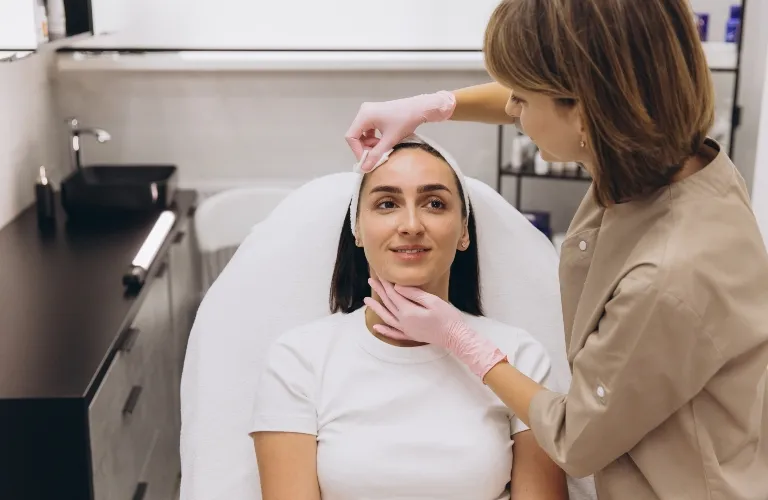
If you’re local to Lawrence and looking for a place to start, Head & Heart Health and Wellness offers a home-based clinic setting that’s built specifically with first-timers in mind, no cold, clinical waiting rooms, just a relaxed space to talk through your options. You can browse the full lineup of aesthetic services, from neuromodulators to microneedling and PRF, or check out real client outcomes on the results and transformations page to get a sense of what’s realistic before you book.
Wherever you decide to go, the most important thing is finding a provider who takes the time to actually listen instead of just running through a menu of services. Aesthetics done well should feel less like a medical procedure and more like an extension of your regular self-care routine, just with a little extra science behind it.
The Bottom Line
Starting your aesthetic treatment journey doesn’t have to be intimidating. Once you understand the basic categories- neuromodulators, fillers, microneedling, PRF, and resurfacing, it becomes a lot easier to figure out what actually fits your goals. Take your time, ask questions, and find a provider in Lawrence who makes you feel comfortable rather than pressured. That’s really all it takes to get started.